

Unraveling the Wonders of Fiber: A Thread to Better Health?
Let’s talk about fiber. We know the importance of including this crucial substance in our daily diets. We undoubtedly know the downside of not having enough, but for some reason, most people aren’t getting the memo on this basic fact. Read on to discover the ins and outs of fiber and learn of its remarkable impact on your well-being and vitality!
First Things First: What is Fiber?
Fiber is a type of carbohydrate that the body can’t digest. Though most carbohydrates are broken down into sugar molecules called glucose, fiber cannot be broken down and instead passes through the body undigested. There are two types of fiber, soluble which dissolves in water, and insoluble which doesn’t.
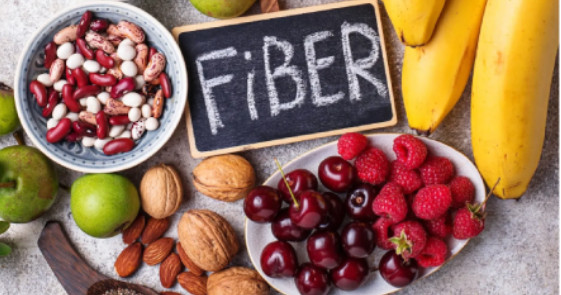
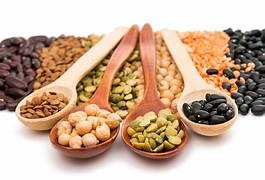
Soluble fiber can be found in oats, barley, legumes, apples, and carrots. Since it dissolves in water, this type of fiber forms a gel-like substance in the digestive tract and slows down digestion helping to regulate blood sugar levels. This helps us feel fuller for longer and aids in weight management. It can also help lower cholesterol levels by binding to cholesterol and preventing its absorption into the bloodstream which in turn reduces our risk of cardiovascular disease. Quite clever I’d say!

In contrast, insoluble fiber which doesn’t dissolve in water adds bulk to the stool helping to promote regular bowel movements and avoid constipation – Yay! You’ll find this magic ingredient in grains, nuts, seeds, beans, and vegetables such as cauliflower, green beans, and potatoes.
How much Fiber do we Need?
It is generally advised that adults should consume around 25-30 grams of fiber daily. However, with our Standard American Diet, nutritional studies demonstrate that less than 10% of the population is achieving this target. The average American is only consuming about half this recommended amount!
What does a Fiber-Rich Diet look like?
So how do we manage to hit that target of 30 grams of fiber in a day and glean all these health benefits on offer? Well, if we break down our day into the standard three meals, we can try to make this as simple as possible.
Breakfast
Start your day with oatmeal or bran cereal with berries, bananas, and flaxseeds. Alternate with whole grain toast and avocado and a side of fruit or a smoothie made of spinach, fruit, and chia seeds. Any of these options should provide about 10 grams of fiber. A great start!
Lunch
Continuing on your quest of reaching your fiber target could see you include a salad with mixed greens topped with chickpeas and vegetables, or a whole wheat wrap with chicken or tofu and added vegetables and hummus.

Alternatively, you can have a bowl of vegetable soup with added beans or lentils paired with whole grains or fruit. Bingo – you’ve added another 10 grams of the good stuff to your day.
Dinner
Sticking with the fiber theme for dinner you can consider options such as quinoa and vegetable stir-fry or baked sweet potato topped with black beans and salsa. Other ideas include vegetable curry with chickpeas and brown rice, lentil and vegetable stew with flavorful spices, and grilled salmon and roasted vegetables. Any of these suggestions will provide your remaining 10 grams of fiber for the day. Voila – you’ve got your 30 grams in the bag!

Quick Tips and Suggestions
I recently started paying attention to the amount of fiber in my daily diet and as a somewhat healthy eater was surprised to discover that on some days I wasn’t consuming nearly enough. So, I did some research (hence this article) and decided to fill in the hidden gaps. I upped my fiber and increased my water intake and my gut and intestines thanked me.
Here’s what I did. For breakfast, I started having a fiber-rich cereal such as Fiber One and topped it with half a cup of blueberries and a small sliced banana. Just one portion of this cereal contributes to a whopping 65% of your daily intake and by the time you’ve added some fruit you’re well on your way to your recommended amount.
If you start your day with this exact breakfast you only need to find approximately another 7 grams of fiber in the remainder of your meals which is very doable. Add a salad at lunchtime and beans and vegetables at dinner and you’ve cracked it. I prefer starting the day like this and at least I know I won’t be scrambling around trying to squeeze in fiber from various sources – it just keeps things simple!

I also upped my water intake. I make sure if I am out walking, I have my sports bottle with me and when I’m at my desk I drink lots of green tea. This softens the fiber allowing it to pass through the digestive tract more easily. Regular physical activity also helps promote healthy digestion and enhance the effectiveness of a high-fiber diet.

It should be noted that if you are a person who hasn’t had a lot of fiber in your diet and you are looking to change that, then you should increase the amount gradually to allow your body to adjust and prevent digestive discomfort such as bloating and abdominal cramps. Ensure you stay hydrated, exercise regularly, and pay attention to how well you tolerate your fiber intake as you increase it.
Wrapping Up
It cannot be underestimated just how crucial a role fiber plays in maintaining a healthy digestive system and it pays to figure out how much fiber you are taking in daily and adjust it accordingly. The health benefits include aiding digestion, regulating bowel movements, lowering cholesterol levels, controlling blood sugar levels, and promoting weight management.
It is however important to gradually increase your fiber intake and listen to your body’s responses to avoid any digestive discomfort. Remember to stay adequately hydrated and exercise frequently to gain the maximum benefits of a fiber-rich diet.