

A New Vaccine in the Fight against RSV has been Approved: Adults over 60 and Pregnant Mothers are Eligible to receive it!
Here’s What you Need to Know
Respiratory Syncytial Virus (RSV) is a respiratory virus that typically causes mild cold-like symptoms such as runny nose, fever, coughing and sneezing. Children and babies are especially susceptible to it, and according to the National Institute of Infectious Diseases, most children in the United States have already been infected by age two.

Adults can also be affected by this highly contagious disease. Those with underlying conditions, such as heart disease and lung disorders, are at risk of developing severe respiratory symptoms from RSV, requiring a possible hospital admission.
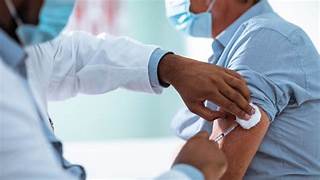
New Vaccines are now available that are FDA-approved for use in the USA. The Centers for Disease Control and Prevention (CDC) recommends that people over 60 be immunized against the virus this winter. Additionally, pregnant mothers are approved to receive the RSV vaccine between 32 and 36 weeks of pregnancy, providing babies with protection for the first six months of life.
When and How does RSV present itself?
When we think of RSV, we might conjure up images of little ones catching the virus at daycare and being miserable at home with a cough and a cold. However, as we enter the colder seasons, older adults, especially those with underlying conditions, should also know what to look for in protecting themselves. RSV season generally starts in the fall and peaks in winter.
The virus is spread easily through:
- Droplets in the air when an infected person sneezes or coughs.
- Touching Contaminated surfaces such as counters and doorknobs and then touching your face.
- Direct contact with an infected person, such as kissing your grandchild who has it.
Young children are often exposed to RSV in schools and daycare centers and can bring the virus home and transmit it to other family members. They are usually contagious for 3 to 8 days. Vulnerable adults over 60 (e.g., with weakened immune systems and underlying heart or lung disease) should be extra cautious.
The FDA explains that in older adults, RSV can be a common cause of lower respiratory tract disease (LRTD), which can cause life-threatening pneumonia and swelling of the airway passages in the lungs. According to the CDC, there are up to 120,000 hospitalizations for RSV each year, and in the over-65s there are up to 10,000 deaths.
Understanding your Vaccine Choices
According to the CDC, older Americans can choose between two RSV vaccines licensed by the FDA.
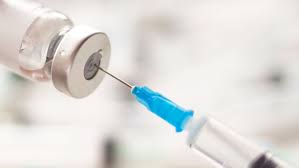
Both vaccines contain a part of the RSV virus and work by causing an immune response that can protect individuals from respiratory disease if they are infected with RSV in the future. One shot protects against the virus in adults over 60 throughout the season.
Any of the above vaccines can be given to adults over 60. However, the CDC recommends the Abrysvo one specifically for pregnant mothers.
How well do the Vaccines Work?
As pointed out by the CDC, the results proved favorable during clinical trials of adults aged 60 and older with healthy immune systems.
- The Arexvy vaccine was 83% effective in preventing lung infections (e.g., pneumonia) due to RSV during season 1. It was still 56% effective against lung infections during season 2.
- The Abrysvo vaccine was 89% effective in preventing lung infections (e.g., pneumonia) due to RSV during season 1. The second season is ongoing, and the final results have still to be defined.
As with many vaccinations, there are possible side effects to look out for. These include:
- Pain, redness, or swelling at the injection site
- Fatigue
- Fever
- Headache
- Nausea
- Diarrhea
- Muscle or joint soreness
Vaccine Fatigue?
You are probably not alone if the thought of, yet another vaccine seems overwhelming. Vaccine fatigue can be felt as we ponder the idea of a COVID booster, annual Flu shots, and now this new kid on the block.
If it eases your anxiety, the RSV vaccines have been in the making for almost 60 years, and scientific research has been ongoing since 1957. From the 1980s onwards, groundbreaking technology has been the force in isolating a specific protein that helps individuals develop a protective immune response against RSV.
Clinical trials using this protein began in 2017, and finally, in May of this year, the Food and Drug Administration approved the new vaccine. To put it plainly, this hasn’t been a rush job.
Another aspect to consider in your decision to get protected against RSV is that as we age, our immunity decreases. We have a more challenging job fighting off infections than in the days of our youth, and our bodies heal more slowly due to fewer immune cells circulating the body.
Tips on How to Minimize your Chances of getting RSV
Whether you decide to go ahead and get the RSV vaccine is a personal choice based on your age and health. Knowing how to minimize your chances of contracting the virus is essential. The CDC recommends the following:
- Cover your sneezes and coughs with a tissue or shirt sleeve, not your hands.
- Avoid close contact with others, e.g., shaking hands, kissing, sharing cups and utensils.
- Frequently clean commonly used surfaces like mobile phones and doorknobs.
- Wash your hands often with soap and water for at least 20 seconds. It’s always a good idea to carry a travel-sized hand sanitizer with you when out and about.
Diagnosis and Treatment of RSV
While there is no known cure for RSV, you can make yourself more comfortable until it clears. Your doctor may diagnose you with RVS based on a physical exam and the time of year. Listening to your lungs via a stethoscope may uncover wheezing or other abnormal sounds.
Based on the diagnosis, treatment is self-care. WebMD suggests:
- Over-the-counter medication such as Tylenol to alleviate potential pain and reduce fever
- Nasal or saline drops to help clear a stuffy nose
- Rest
- Keep hydrated
Contact your doctor if you have trouble breathing, your symptoms worsen, or your fever lasts over two days.
Knowledge is Power – Protect Yourself during the Holidays
With winter just around the corner, now is the time to be aware of the usual viruses that threaten to spoil our plans and mess with our health. RSV, in particular, can be devastating to some older adults. Now that we have a proper vaccine for RSV, it will undoubtedly save thousands of vulnerable people from developing severe virus complications and possibly losing their lives.
If you or your loved ones are concerned about the upcoming RSV season, it’s best to talk to your healthcare provider to discuss your options for the new vaccine. You should get the shot for the 2023-24 RSV season as soon as it is available to protect yourself before the virus circulates in your community.
Sources
National Institute of Allergy and Infectious Diseases
Centers for Disease Control and Prevention